
01 / 03  Selected Work
Case Study
2021 — 24
Polesdon Padel · Case Study

Building a padel racket brand from 0 → MVP.

Identified a gap in a fast-growing market, then built a product end-to-end across performance, lifestyle, and community.

Role Founder · Product Lead
Scope Strategy · Sourcing · Brand · MVP launch
Status Launched 2023
Scroll
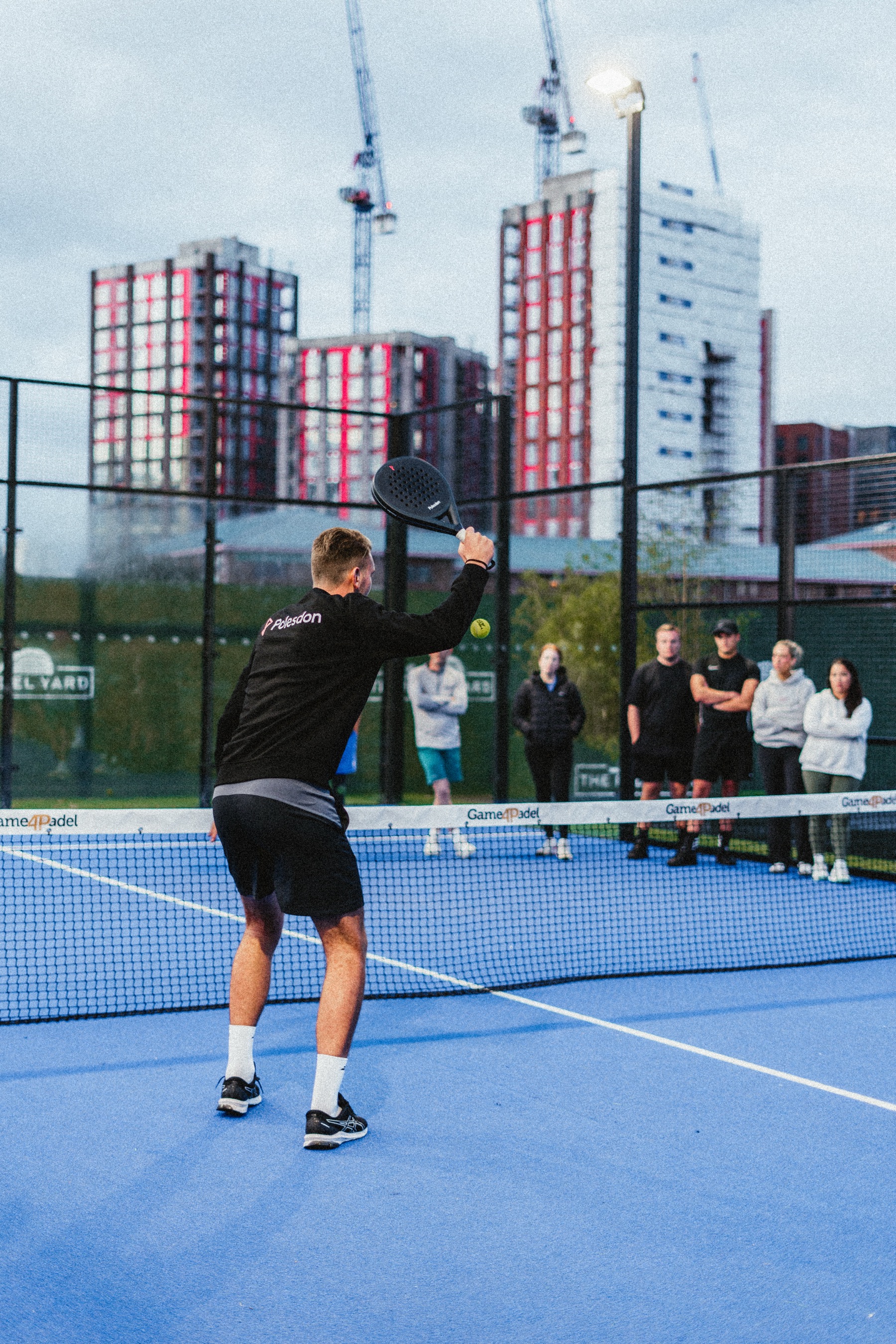
Polesdon 270 — player mid-serve, racket raised against a pale sky
01 The Bet

Build for the player the existing brands ignore.

I got hooked on padel in 2021. Sociable, inclusive, addictive. The UK was where it was scaling fastest. UK court applications were stacking up and growth was double-digit, but the equipment market was bifurcated: hyper-technical pro brands on one side, legacy tennis names borrowing credibility on the other. The social athlete (performance-minded, design-literate, in it for community) wasn't being served.

The bet: a racket where design and identity were treated with the same seriousness as performance. Premium feel and restrained graphics. Would players actually switch from the names they already knew?

My role

Founder, end-to-end. I owned product strategy, MVP scope, sourcing, brand, pricing, channel mix, and supply chain.

The market signal
+127% Projected growth in racket market
26% Annual growth in courts globally
150+ UK planning applications, 2021

Sources: International Padel Federation; Lawn Tennis Association (UK); padel industry market research.

Polesdon — loud, expressive rackets in market
02 The Problem

The biggest padel brands were built for professionals or borrowed credibility from tennis, and ignored everyone in between.

Performance brands

Built for professional players. Hyper-technical, hyper-loud.

Legacy tennis brands

Borrowed credibility. Weak authenticity in padel.

Missing →

Social players who care about performance, aesthetics, and identity in equal measure.

Polesdon wordmark, light on deep ink ground
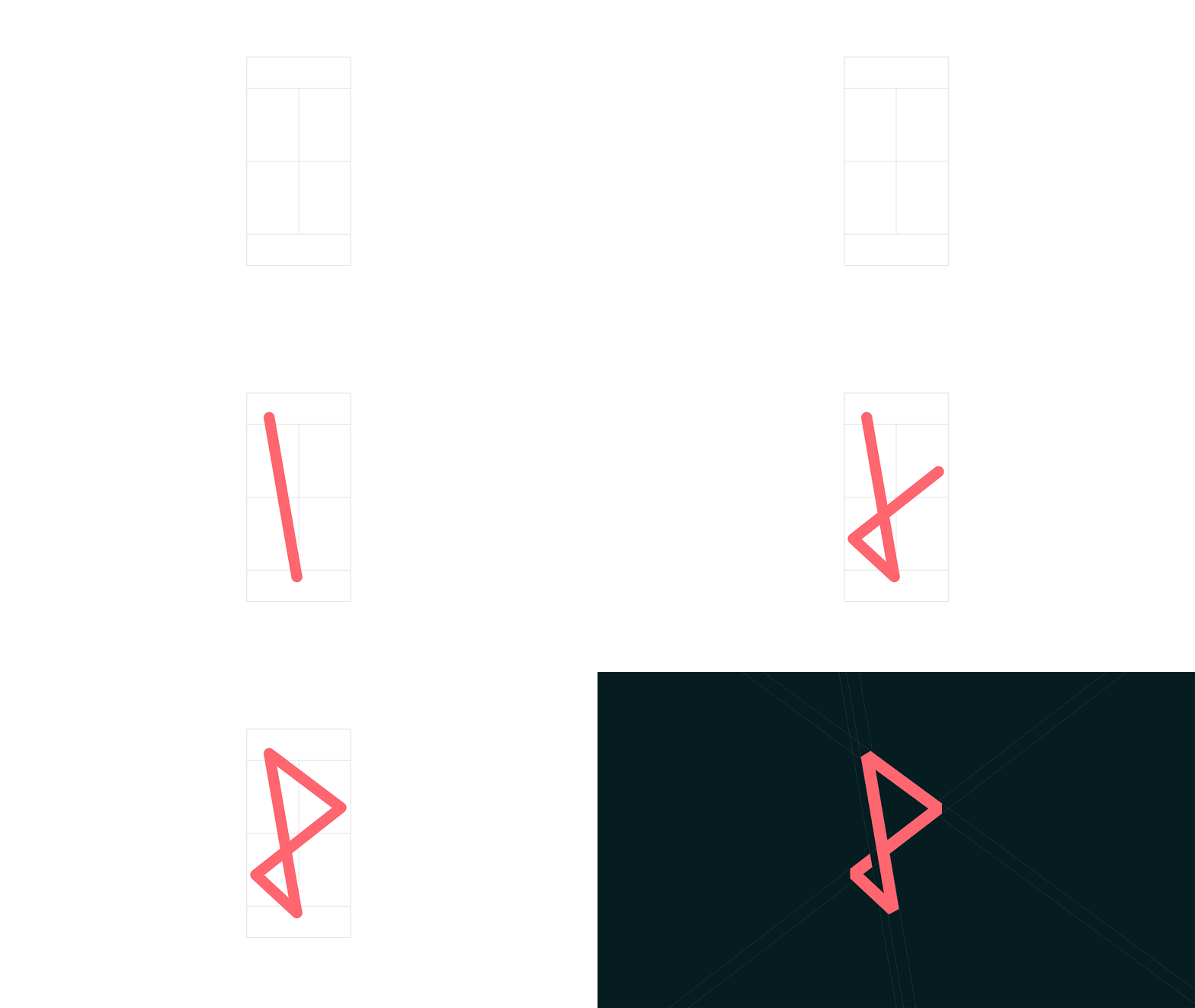
Polesdon brand system — mark, wordmark, and variations

Three principles guided every decision.

01 Understated. An accent of sport.
02 Community at the heart.
03 The energy and pace of the game.
03 MVP & Trade-offs

Launched with one product line and held everything else for V2.

Three rackets, not six

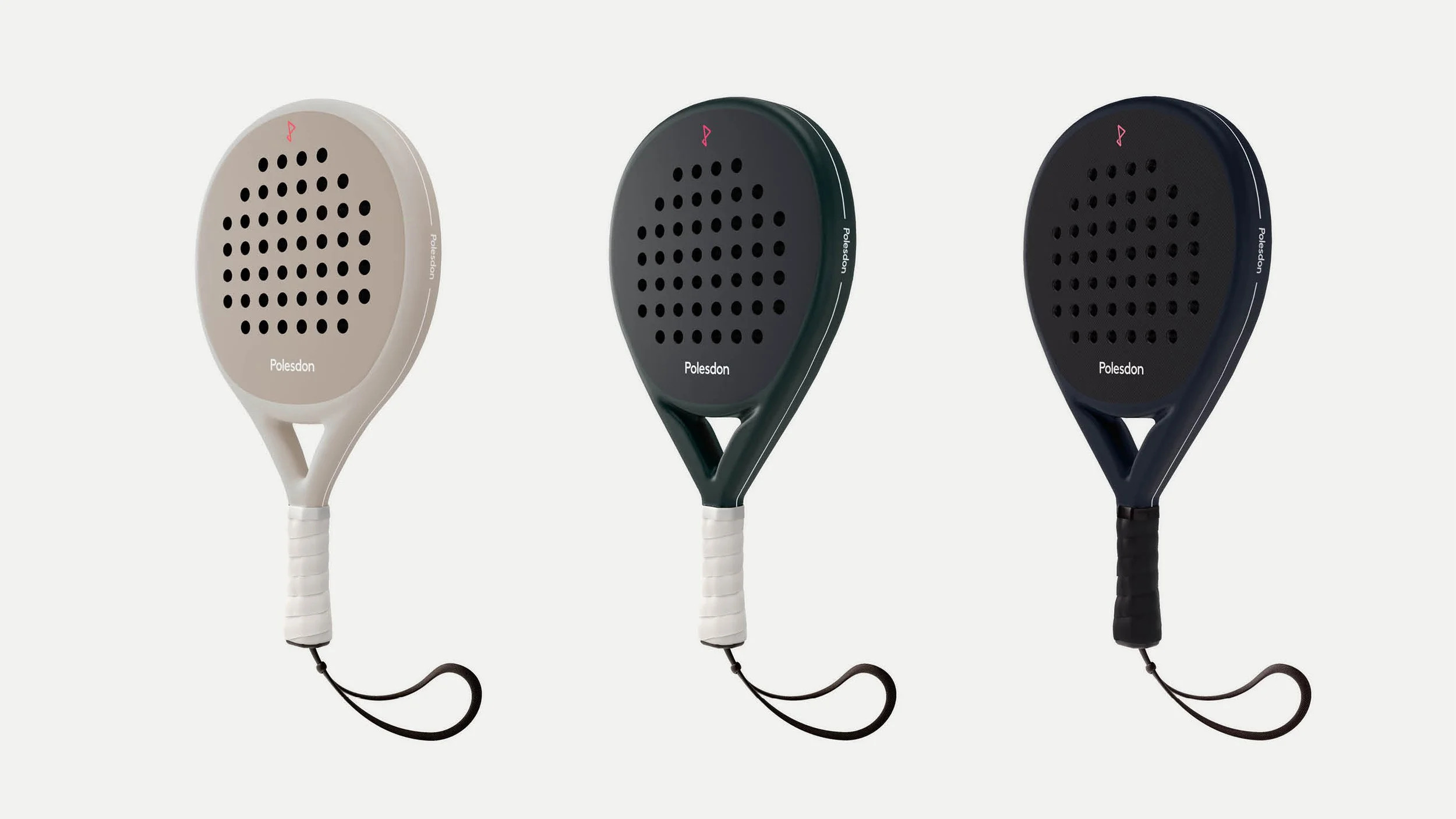
The launch scope was deliberately narrow: three rackets across two shape silhouettes, one round shape for forgiveness and two teardrop shapes tuned for different points on the control-to-power spectrum. All built for the beginner-to-intermediate player, the fastest-growing segment in the UK market.

I could have launched six rackets across every combination of shape, weight, and balance. Each one adds inventory cost, supply-chain complexity, and a brand that reads "catalogue" rather than "considered." Three well-made products with clear playstyle deltas would teach more about willingness-to-pay than six variations would.

Polesdon 270 — three colourways, three-quarter studio shot
Out of scope at MVP

Each one a deliberate cut. A market to come back to, not chase at launch:

  • Product line — apparel, accessories, gym bags, multiple grip sizes, custom colour-ways.
  • Customer segment — professional players (lower price tolerance for design-led brands, hyper-technical demands) and juniors under 16 (parent-driven purchase, smaller market).
  • Geography — UK only at launch. Logistics and tariff complexity deferred.
Two key decisions that shaped what shipped and when
01

Quality over Scalability

I looked at manufacturers across China and Morocco before settling on a small, experienced factory in Spain. Higher unit cost in exchange for craftsmanship and 30+ years of R&D. Essential to making the positioning credible from day one. Finding a partner willing to work with low MOQs and early prototyping was difficult, but necessary to test without committing to scale too early.
02

Speed to Market

Advice from founders who'd shipped before me: get something real into players' hands and learn from there. Don't chase perfection in a vacuum.

Build the perfect product
vs
Get to market and learn Chosen

Decision: launch a refined MVP and iterate from real-world feedback.

04 Prototyping and Testing

Every prototype went through real players before it went into production.

Research cohorts
01 Semi-professional players

Performance and feel at competitive level.

02 Coaches

UK-ranked coaches assessing handling, balance, and durability.

03 Amateur players

Aesthetic appeal and brand resonance with the social-athlete segment.

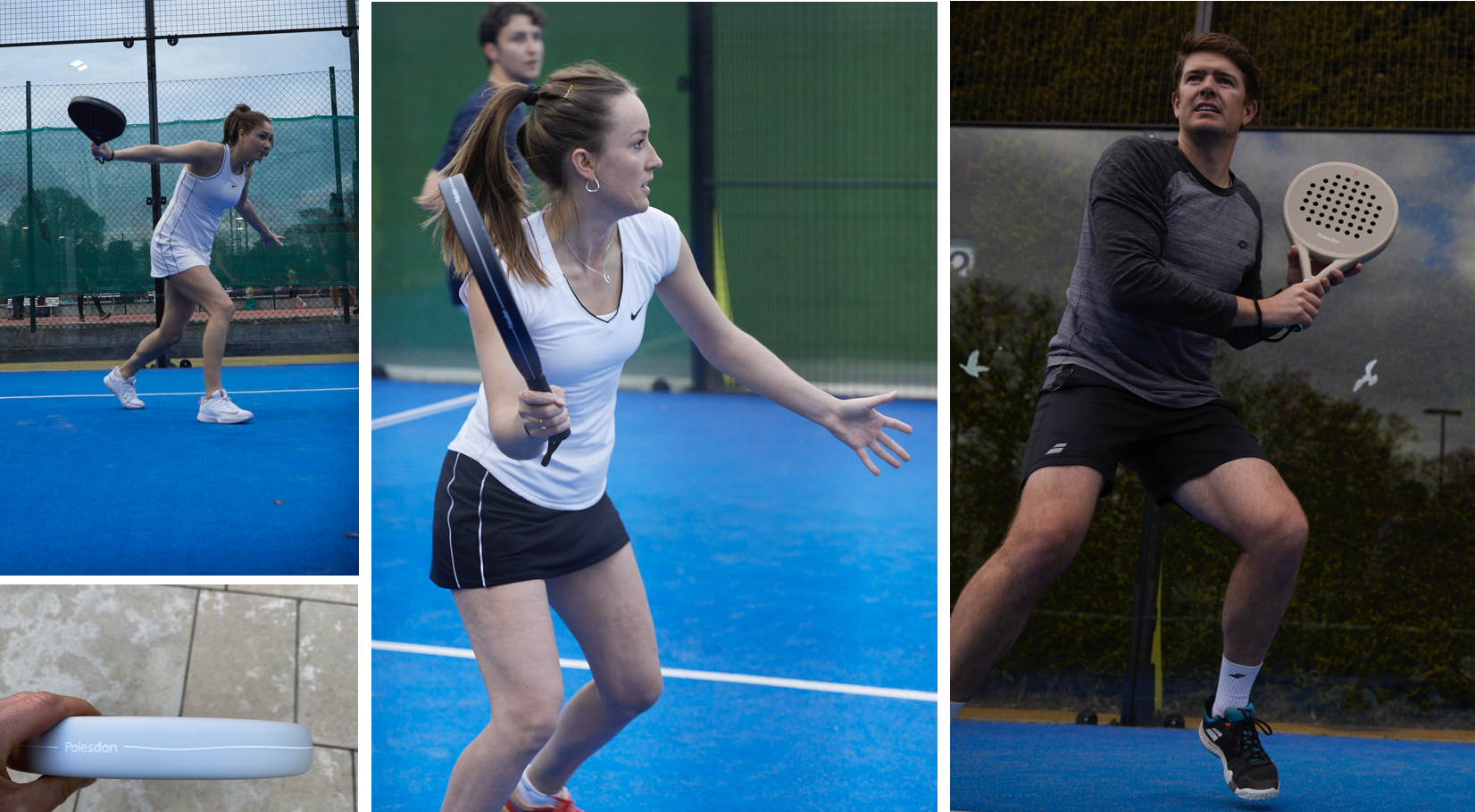
Polesdon focus group — players testing rackets during prototyping cycles
The signal that changed the roadmap

"The sweet spot feels quite high up on the racket, which makes it feel less balanced overall. It's probably not going to suit players who want something more forgiving."

— Jared, Padel Coach
The Insight

The aesthetic direction was strongly validated. But players surfaced a clear gap, particularly with the round racket, designed to be more forgiving. Weight distribution and grip feel needed refining for early-stage players.

So What

Translated into requirements — rebalance EVA foam placement to shift weight away from the head, improving control and forgiveness for developing players.

After rounds of prototyping: the MVP product
05 Go-to-Market

Launched across four channels.

01 Shopify storefront

End-to-end build: photography, content, checkout.

02 Organic search

SEO from day one: racket category, brand terms, padel content.

03 Social — Instagram & LinkedIn

Editorial-led content. Player stories, build process, brand voice. Targeting paid Instagram to those interested in padel within 20 miles of courts in the UK.

04 Clubhouse partnerships

Early conversations with a small set of UK clubs: pilot placements, member sessions, and informal ambassador outreach.

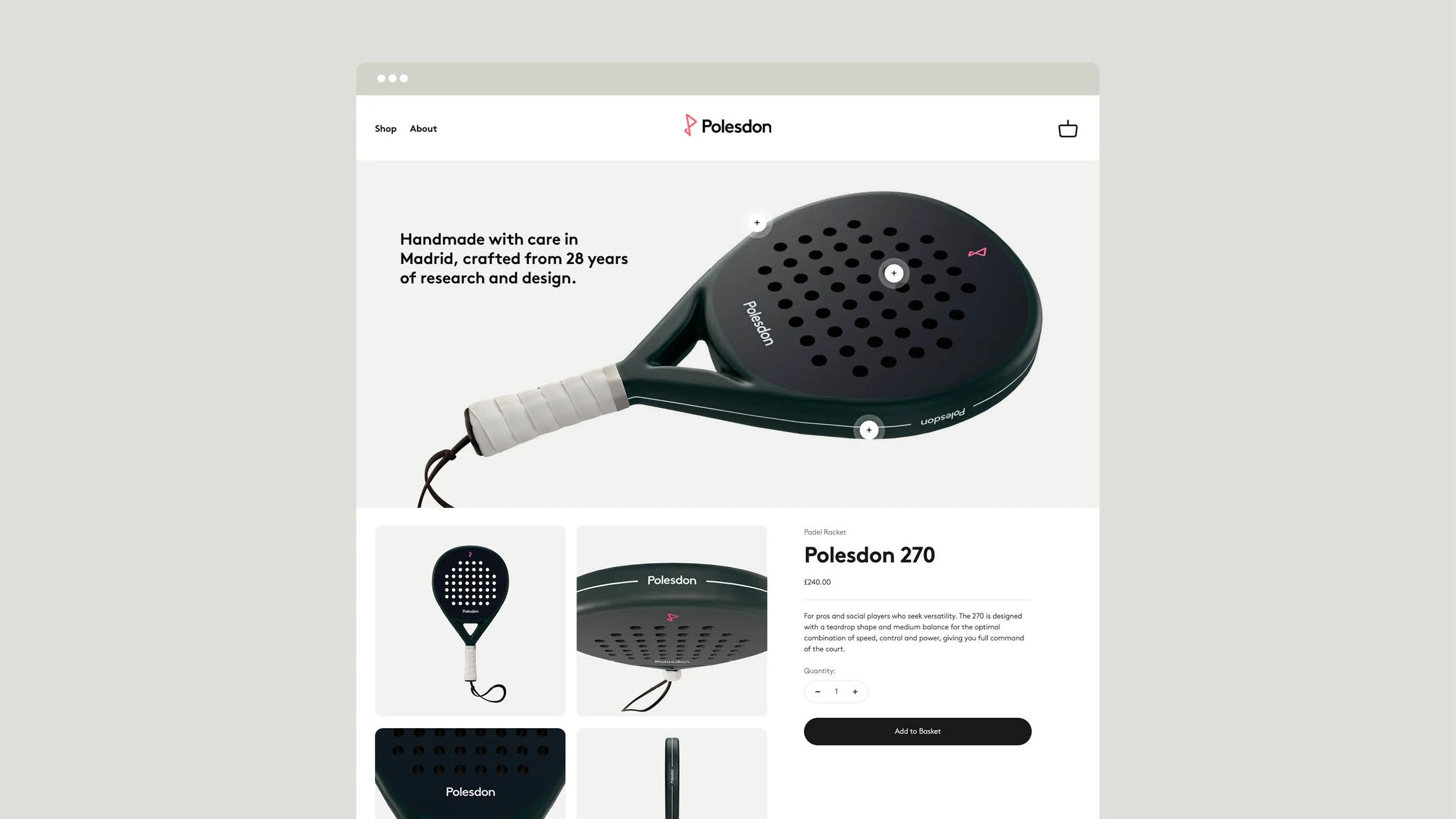
Polesdon shop page — product detail for the Polesdon 270
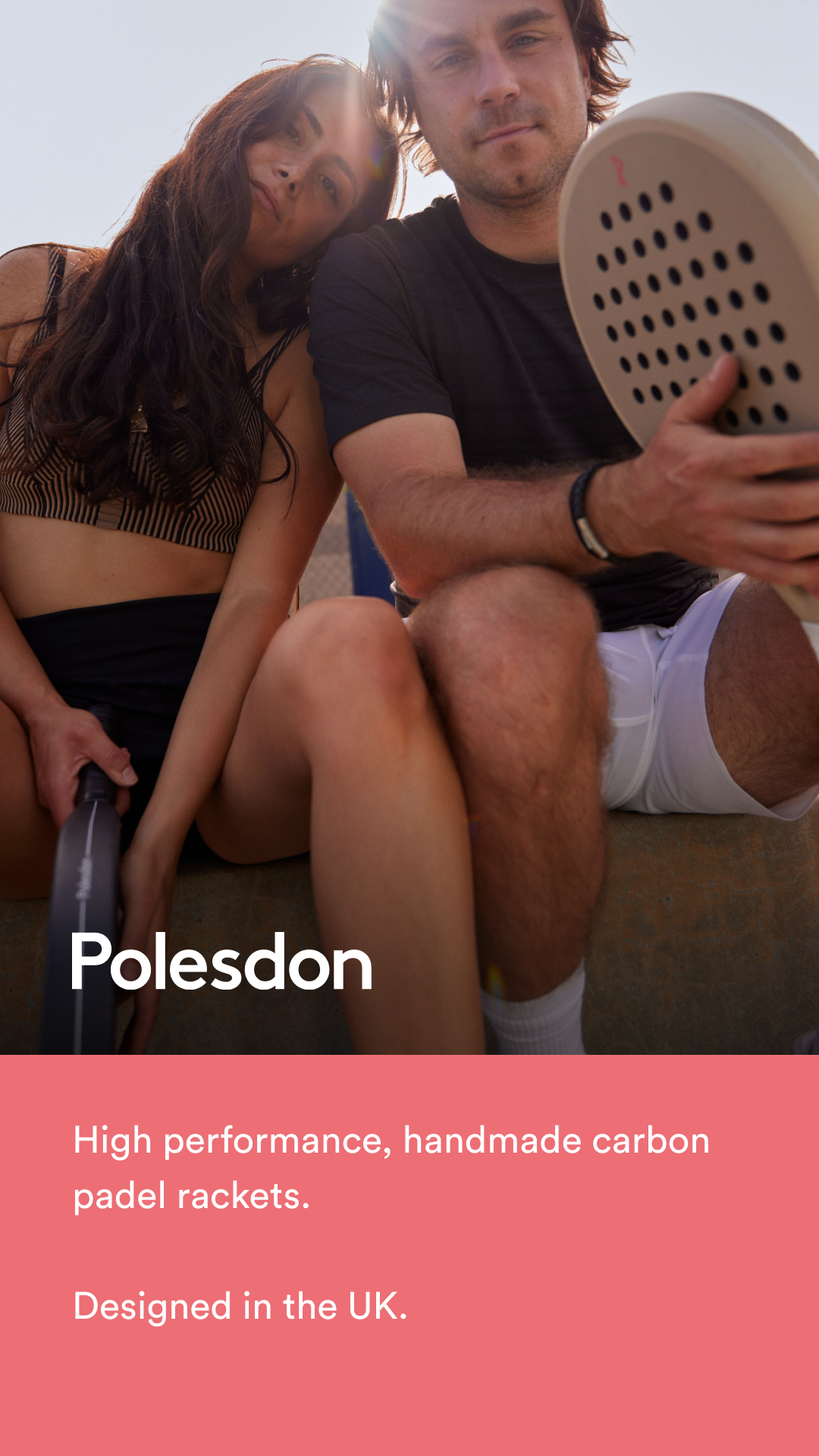
Polesdon campaign — High performance, handmade carbon padel rackets.
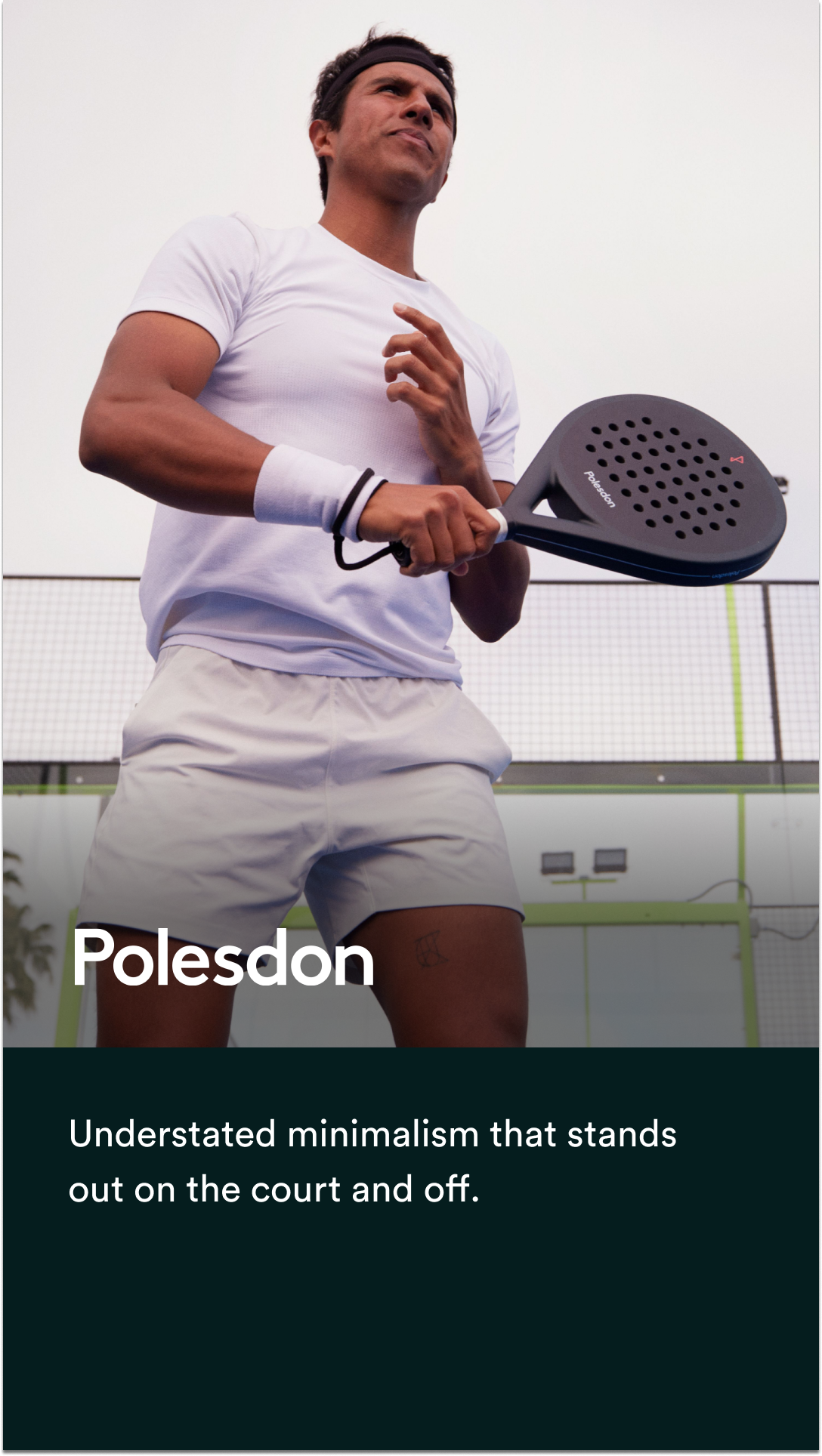
Polesdon campaign — Understated minimalism that stands out on the court and off.
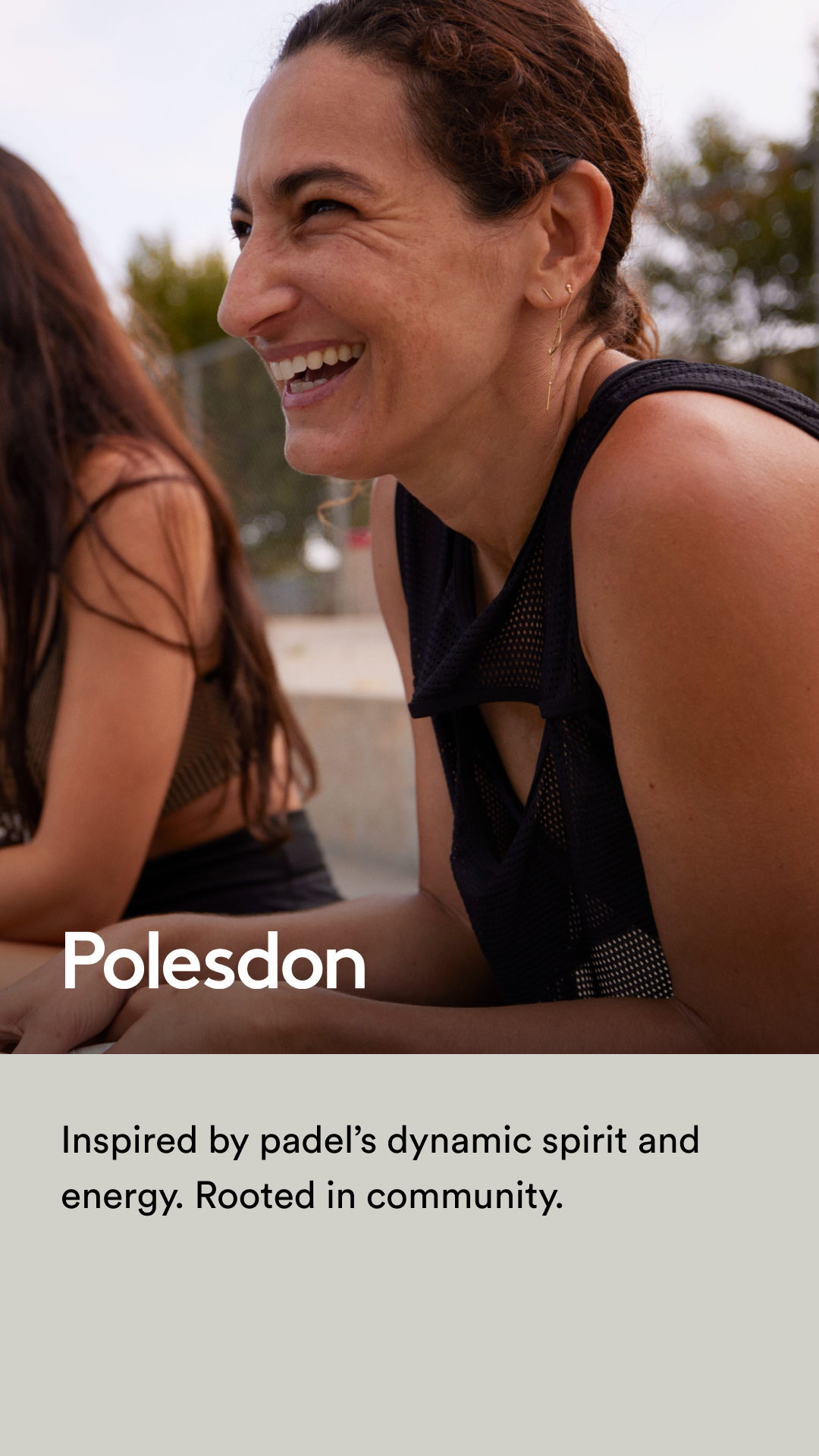
Polesdon campaign — Inspired by padel's dynamic spirit and energy. Rooted in community.
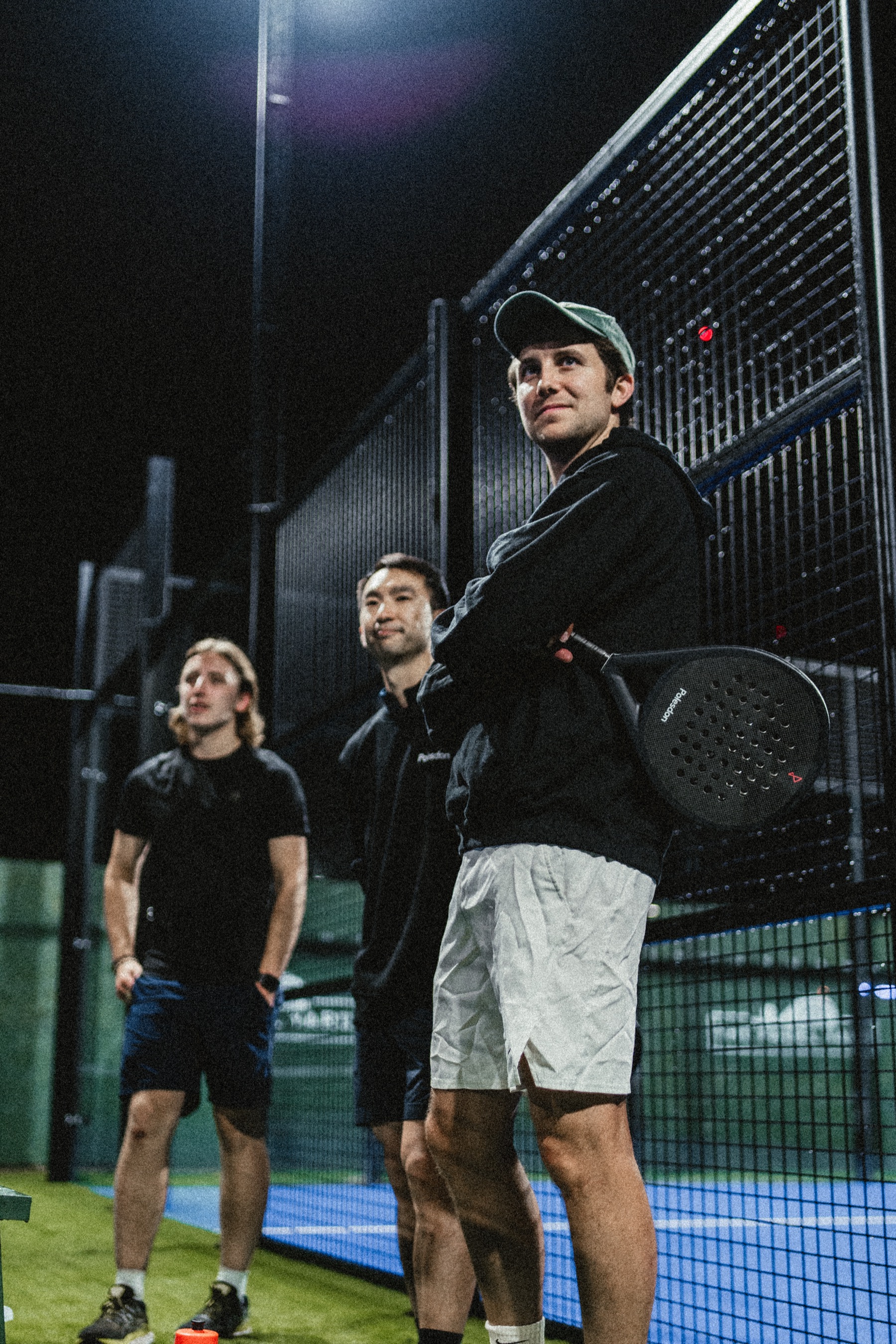
Polesdon team courtside under floodlights
Player serving on a London court
06 Outcomes

A 1.3% website conversion.

1.3%
Storefront conversion · launch period · 12 months

For a new brand in a category dominated by established players, this validated willingness to pay at a £200+ price point with zero brand equity, indicating early traction for a design-led positioning in a performance-led category.

Benchmark: UK D2C equipment median ~1.4–1.8%.

Key Learnings
01 Design-led positioning created demand

The brand direction resonated strongly across cohorts. Players associated the product with premium design and lifestyle positioning rather than commodity performance equipment.

02 Creating a stronger point of difference

The design and branding was on point for the social athlete, but competition became stronger very quickly. Over time, new entrants focused on material innovation (Cork Padel), personalisation through custom names and initials, and shock-absorption technology. V2 would need to go beyond design to hold a defensible point of difference.

03 Paid acquisition was eating into margins

Instagram-led growth proved costly. The path to scale runs through community-led and clubhouse-based distribution too.

04 QA on inventory

Ran into scenarios where artwork didn't meet design standards, making some stock null and void. QA processes between design approval and production weren't strict enough. V2 needs more rigorous gates to ensure quality meets expectations.

Where it stands
Paused

Paused — deliberately.

The first drop validated demand for a design-led entry into the category, but also clarified the requirements for scale: stronger product differentiation beyond design, and support with performance marketing.

Credits / Partners
NextCase 02 / 03

BPP Education,
onboarding, redesigned.

All work